Anthropological Coaching
Making sense of uncertainty, liminality, and life transitions through anthropological coaching.
I help people find clarity when their old way of life no longer works, but a new one has yet to take shape.
I am an anthropologist, a professionally trained coach, and a practitioner with experience in psychosocial crisis response. My work focuses on the human experience of change, uncertainty, and transition.
I am particularly interested in what happens to us when the world we once knew begins to change. When our familiar sense of security fades, our roles, relationships, or identities shift, and the future is no longer clearly defined.
In anthropology, this in-between state is known as liminality. It is a space where the old no longer holds, and the new has yet to emerge.
Liminality can accompany a personal crisis, divorce, job loss, career transition, relocation to another country, or any other significant life event. It can bring uncertainty and fear, but it can also create an opportunity to rediscover who we are, reimagine our future, and explore new possibilities.
I do not see uncertainty as something we must necessarily overcome or escape as quickly as possible.
Sometimes, uncertainty is a natural part of transformation. And sometimes, it is an unexpected gift that life offers us — an opportunity to question familiar assumptions, discover new perspectives, and redefine what is possible.
We do not always need to know where we are going to begin moving forward.
My Journey
Understanding the human experience of change, uncertainty, and transformation.
My professional journey has taken me through a wide range of fields, all connected by one central theme — understanding and supporting people in challenging circumstances.
For 18 years, I served as an assistant police officer, including responding to incidents as a first responder. I also competed in kickboxing at both amateur and professional levels and became an Estonian national champion. Competitive sports and law enforcement taught me self-discipline, personal responsibility, resilience under pressure, and the ability to act in situations where not all the answers are available.
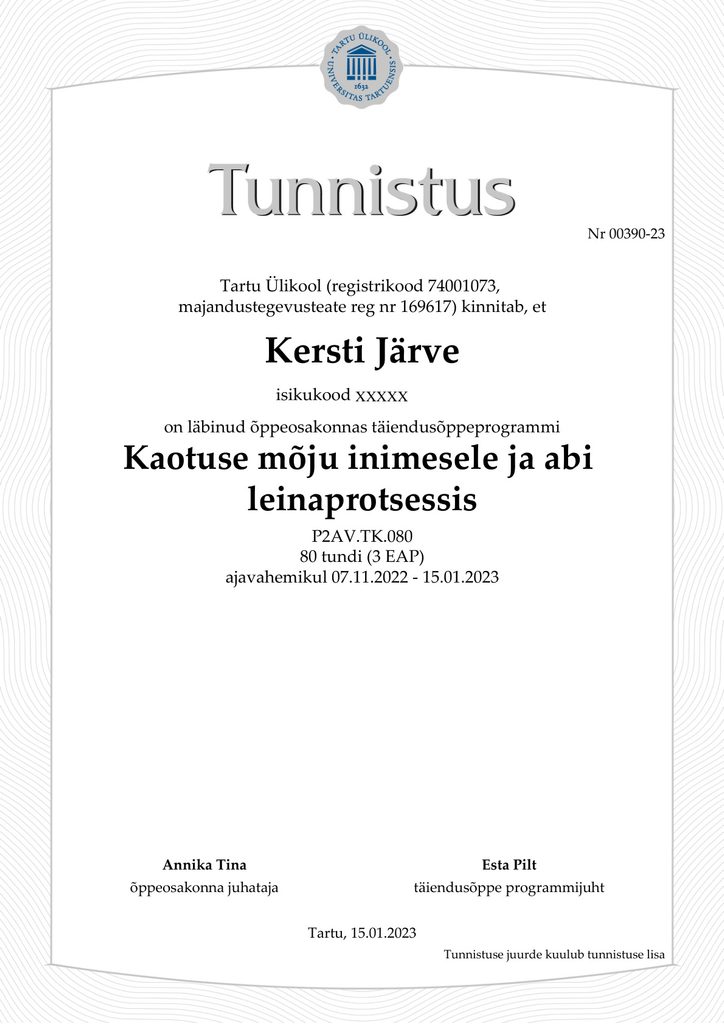
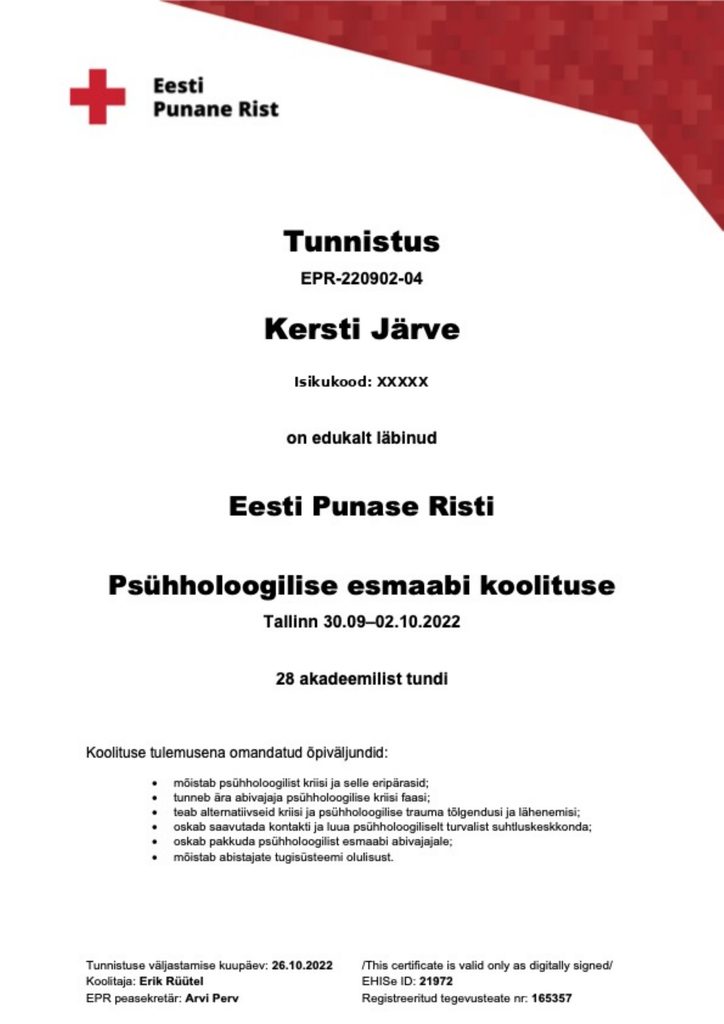
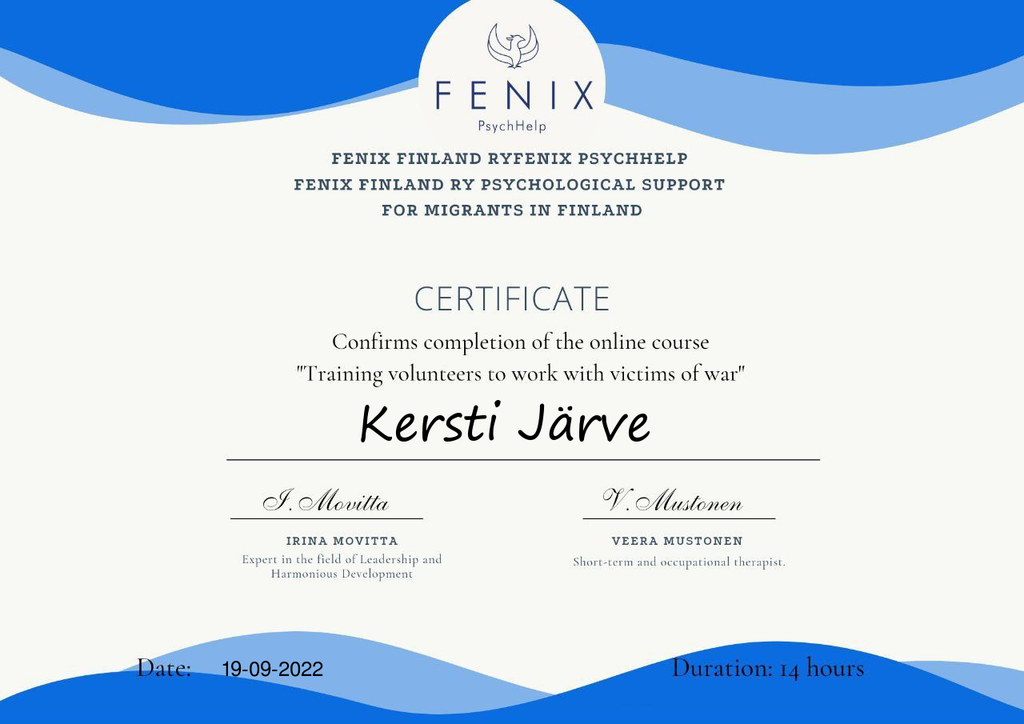
Following Russia’s full-scale invasion of Ukraine in 2022, I provided psychosocial crisis support to Ukrainian war refugees at the contact point at the Tallinn Bus Station and aboard the ship Isabelle. These experiences taught me how quickly a person’s familiar world can change and how important safe, compassionate human connection becomes when the future is uncertain.
I graduated from Tallinn University with a bachelor’s degree in anthropology and a minor in Spanish language and culture. My undergraduate thesis explored the experiences of people working with war refugees during the first months of Russia’s full-scale invasion of Ukraine, focusing on liminality, structural violence, and emotional labor.
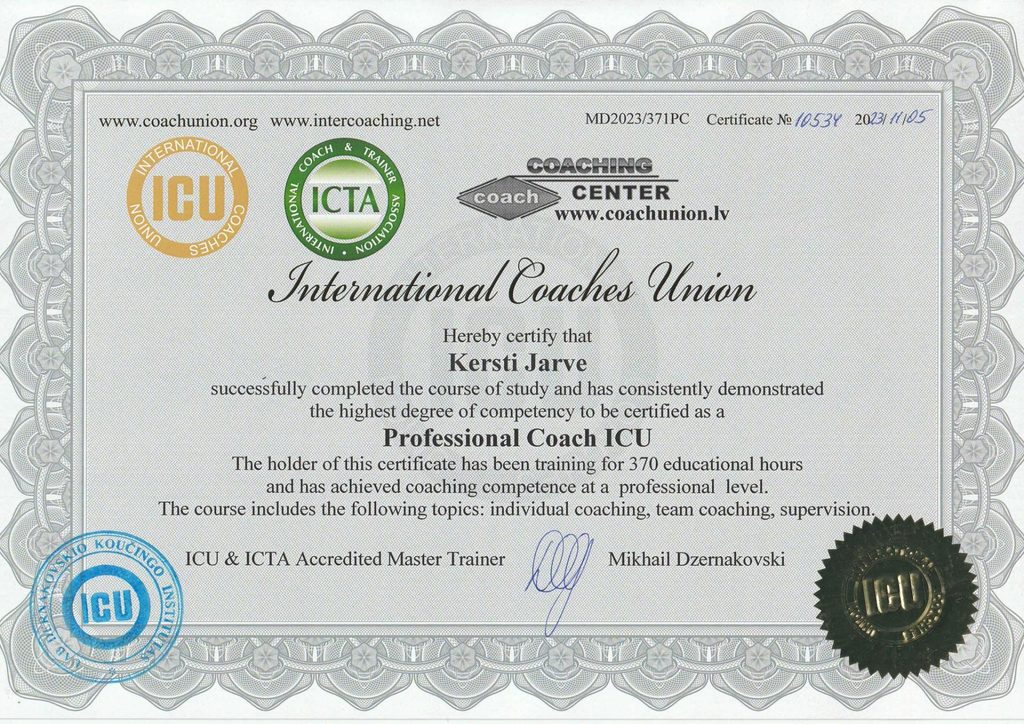
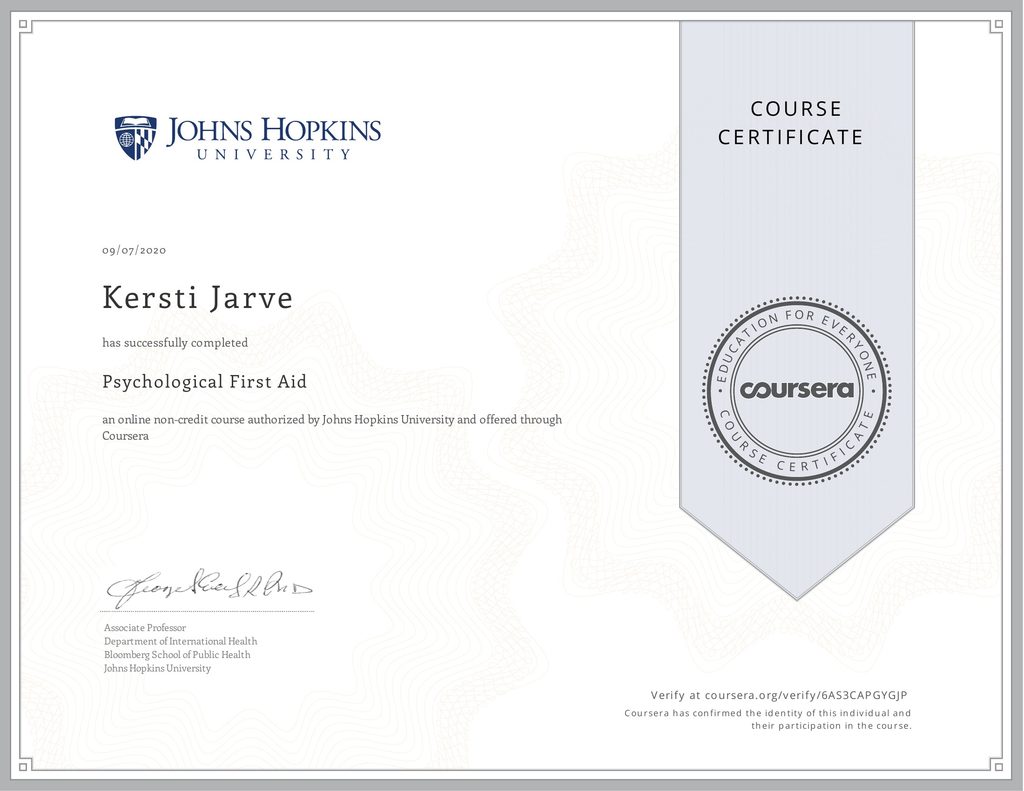
I completed professional coach training through the International Coaching Union (ICU) and am currently pursuing further professional training in psychosocial supervision and coaching at ISCI.
I am also pursuing a master’s degree in political science, continuing to explore the relationship between individuals, societal structures, power dynamics, and adaptation to change.
Since 2023, I have been working at the Tallinn Migration Center, supporting individuals as they adjust to a new society, culture, and way of life. My professional experience also includes supporting survivors of domestic violence and individuals facing psychosocial challenges.
These experiences have shaped my understanding of human resilience, vulnerability, identity, and the complex relationship between individuals and the environments in which they live.
What Is Anthropological Coaching?
As an anthropological coach, I look beyond an individual’s immediate goals or challenges. I am equally interested in the environment in which they live, the relationships that influence them, and the cultural and societal expectations that shape their choices.
Our opportunities are not determined by motivation or willpower alone. They are also influenced by our previous experiences, social relationships, identities, institutions, and broader societal conditions.
My approach brings together three complementary perspectives:
- Anthropology helps us understand individuals within their social and cultural contexts.
- Coaching supports individuals in recognizing their personal resources, exploring possibilities, and making intentional, informed choices.
- Liminality provides a framework for understanding uncertainty, identity transformation, and transitional periods in life.
My work is strongly influenced by anthropologist Victor Turner’s concept of liminality. Turner described a transitional state in which an individual no longer fully belongs to a previous social role or identity but has not yet entered a new one.
It is this in-between space that particularly interests me, both academically and professionally.
These transitional periods can challenge our sense of identity, security, and belonging. At the same time, they may create opportunities to question familiar assumptions, rediscover our personal agency, and explore new ways of understanding ourselves and the world around us.
Who Can Benefit From My Approach?
My approach is particularly relevant for individuals who sense that something in their lives is changing but are not yet sure which direction to take.
This may involve a career transition, a shift in professional identity, adjusting to life in a new country, the end of a significant relationship, or simply a desire to begin a new chapter in life.
I am also particularly interested in working with professionals and teams whose everyday responsibilities involve responding to other people’s crises, making difficult decisions, and navigating emotionally demanding situations.
My professional interests include supporting first responders, law enforcement professionals, social workers, crisis response specialists, and others working in challenging human-centered environments.
My goal is not to provide ready-made answers or tell anyone how to live their life. Instead, I aim to create a reflective, supportive, and nonjudgmental space where individuals can explore their circumstances, recognize previously overlooked possibilities, and identify a meaningful next step.
My Philosophy
Throughout my professional journey, I have witnessed people’s remarkable ability to adapt to even the most challenging circumstances.
At the same time, I have learned that not every transformation needs to happen quickly, and not every question requires an immediate answer.
Sometimes, we need time to understand what we are leaving behind, what we want to carry forward, and who we wish to become.
I do not believe that uncertainty is something we must always escape as quickly as possible. I believe we can learn to understand it, tolerate it, and navigate it with greater awareness and intention.
For me, anthropological coaching is a way of supporting individuals within that very space — where the old is changing, the new is still emerging, and the possibilities of becoming are not yet fully defined.
Uncertainty does not always need to be resolved before we can move forward. Sometimes, it is within uncertainty itself that new perspectives, identities, and possibilities begin to emerge.
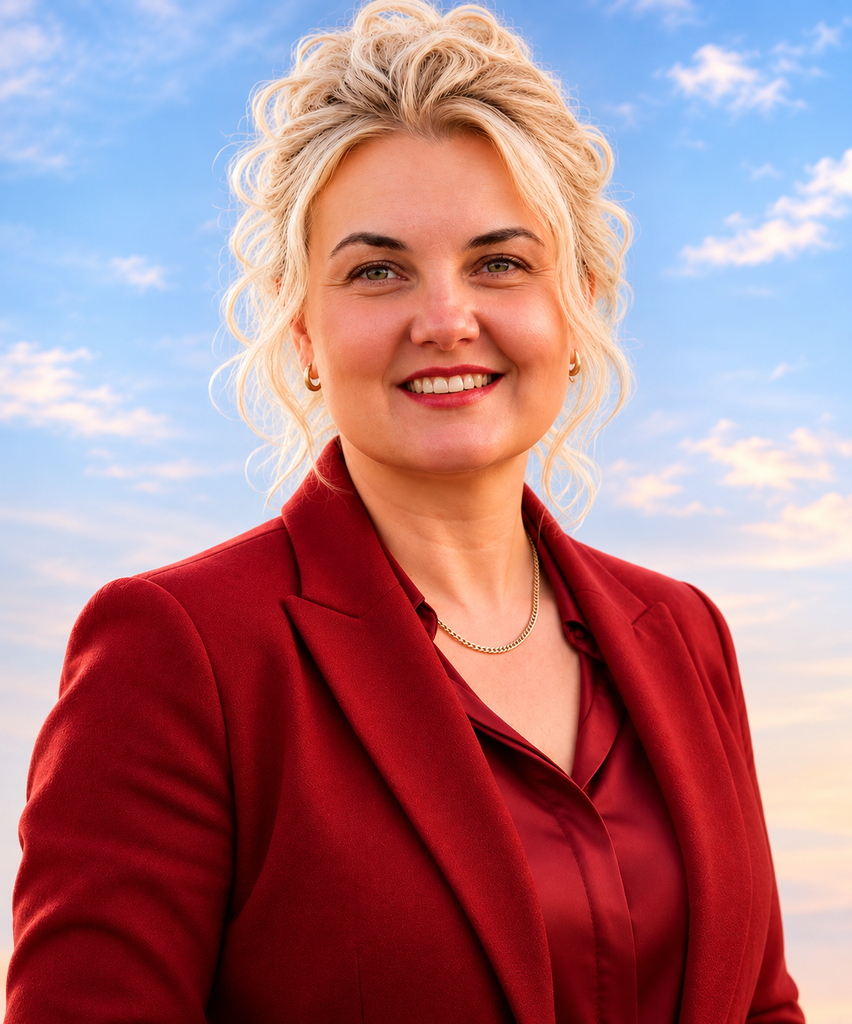
Kersti Järve
Social and Cultural Anthropologist | Professional Coach (ICU) | Supervisor-Coach in Training (ISCI)
FighterVisions.com